

Environmental Engineering
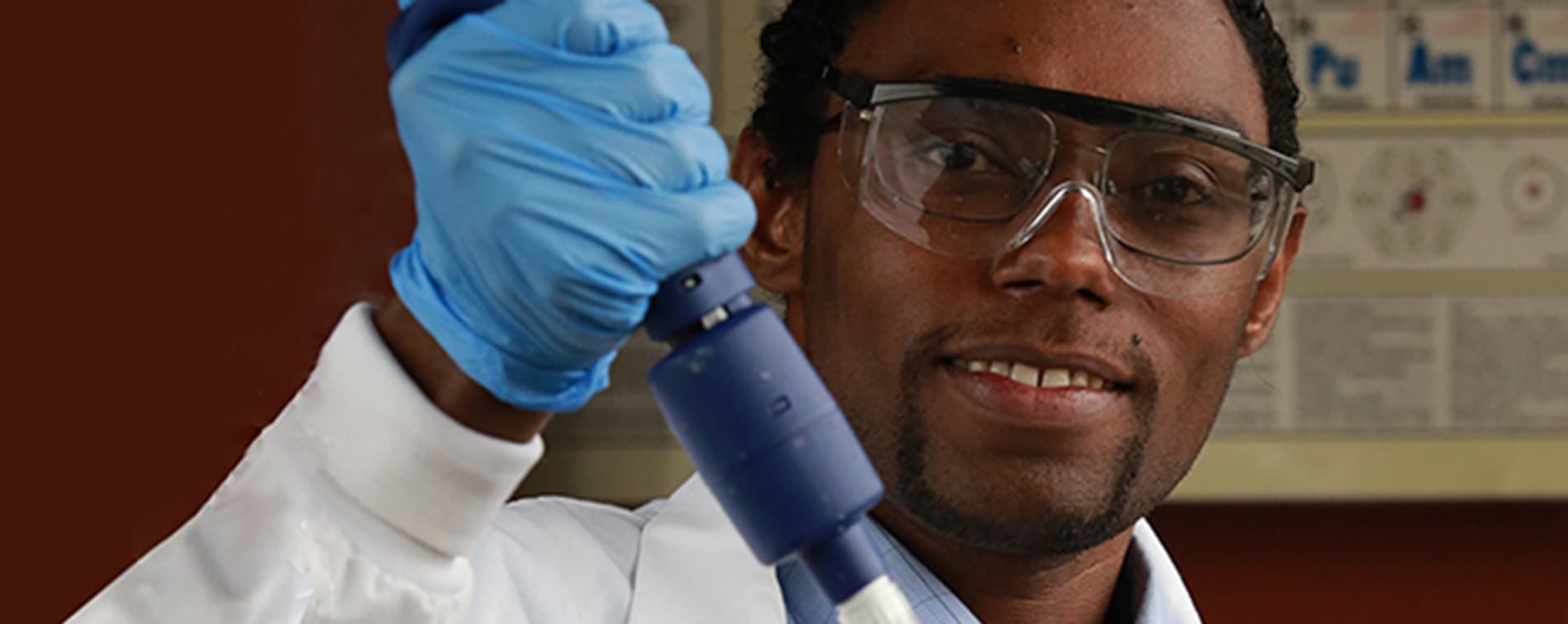
UDM's advanced study in Environmental Engineering includes:
- water and wastewater treatment.
- physical and chemical processes.
- biological unit operations.
- hazardous waste treatment.
- pollution prevention and other environmental topics.
You'll learn about physical, chemical and biological processes used to protect the environment and public health and become a leader in engineering or research. Graduates go on to work as consulting engineers, in industry or government, or as researchers at universities and laboratories.
Graduate Program
- Doctor of Philosophy degree with a major in Civil and Environmental Engineering
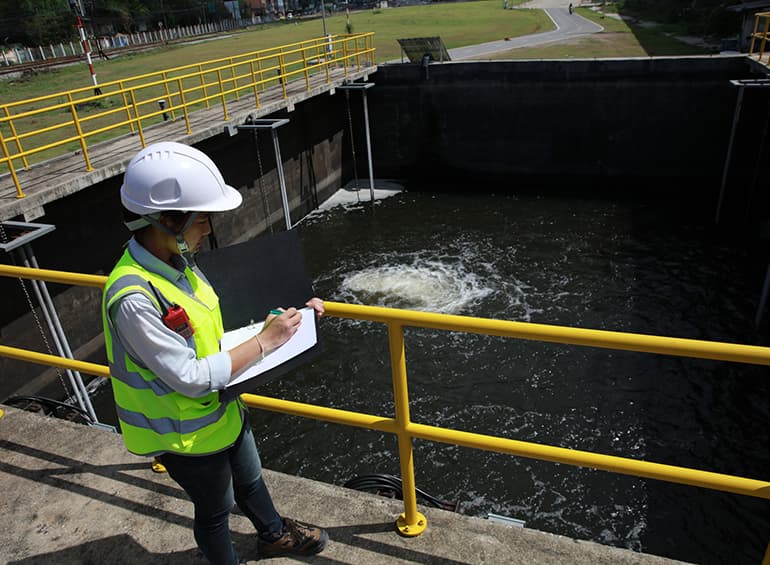

Average salary for an Environmental Engineer in Detroit is $90,276/year.
ZipRecruiter, 2025

The average pay range for an Environmental Engineer varies greatly, which suggests there may be many opportunities for advancement and increased pay based on skill level, location and years of experience.
ZipRecruiter, 2025
Ph.D. in Civil and Environmental Engineering
This doctorate program, leading to a Doctor of Philosophy degree with a major in Civil and Environmental Engineering, requires 81 or more credit hours beyond your bachelor’s degree, including 30 hours dedicated to your dissertation.
Civil Engineering doctoral students take two qualifying exams:
- Math qualifier. You must take and pass this with a grade of 70% within two tries to remain in the program. You should try it in your first term or year in the doctoral program. You must complete this before taking dissertation credit (CIVE 7990). View sample and past exams.
- Departmental qualifier. (also called discipline specific qualifier). You must take and pass this with a grade of 70% to remain in the program. Talk to your doctoral advisor to arrange an offering of the departmental qualifier for you.
Learn more about Dissertation / Thesis Requirements.
Why UDM?
A Broad, Well-Rounded Education
Detroit Mercy combines global thinking with practical problem-solving in areas like infrastructure, the environment and facilities. You’ll also gain important soft skills — such as teamwork, communication, ethics and decision-making — that employers value in future leaders.
"You’ll hear many engineers say that everything that they learned means nothing when they get out in the field. However, at the company I work for, I use what I learned here every single day."
Clifford Austin III '02